Post #5
Climate Change and Human Rights: Where is the line drawn?
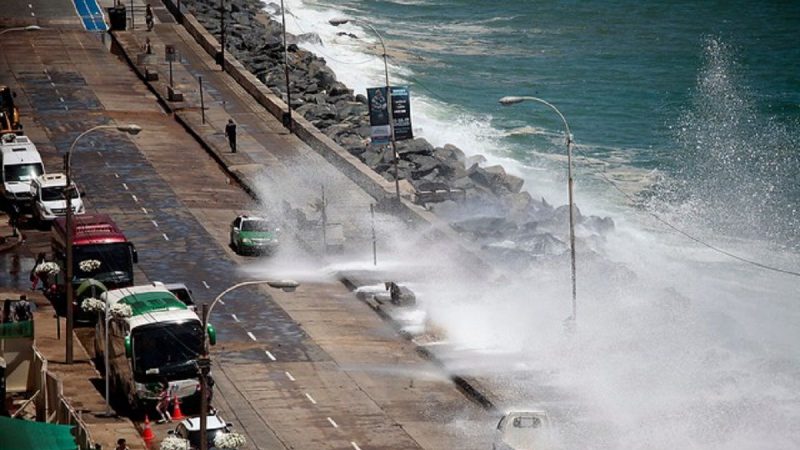
Climate change is still one of the most important topics in our modern society. There are implications to climate change that most might not think about that is happening everywhere, which is how it is affecting human rights. Peoples’ fundamental rights like a right to place to live are in danger due to the effects of harsher weather, temperature changes, and rising sea levels all around the world. The critical point to this argument, however, is that everyone around the world is getting affected based on the actions of people in places thousands of miles away. Chile, the country I have been researching on, is a long, narrow strip of land that is all bordered by water. People in this country will most likely have to migrate more inland due to how quickly the sea levels are rising.
In a Ted Talk presented by Dr. Elizabeth Lindsey, a lot can be answered about why we as humans continue to contribute to climate change without hesitation. She explains how we have come to believe that these “False Gods” of consumption, commerce, and celebrity are all we care about anymore and ignore what we genuinely want inside. That we are accepting the lie that we are not enough just as we are, and we have to be more (Listen to Ted Talk!). In other words, we no longer care about what actually makes us human and only care about becoming rich and famous. It can be a standard view of many Americans and can blind people from what the actual meaning of life is.
Endangered cultures are those that are the are the brink of extinction. This is most of the time due to having people pass away with no one left to carry it on. The problem only worsens because a lot of the time, there is no information or records on the culture, so it is lost forever. These cultures are mainly made up of indigenous cultures that also believe the land is connected to all life and is part of their ancestry.
In a separate Ted Talk by Wade Davis, he explains how these endangered cultures are being affected the most because they have disconnected from our society to be a part of their own. Moreover, they rely a lot more on the lands, and the effects of climate change are starting to hurt them as a society (Listen to Ted Talk!). Their whole way of life is built around the land, so if their land gets ruined or tainted from the effects of climate change, they will have nothing.
A leading reason as to why people do not think twice about how they contribute to climate change is due to this idea of “Eurocentrism.” The meaning of eurocentrism is basically how the European way of life is the best way of life, and all others are inferior (Visit Historians.org!). This ideology is the reason why we have damaged our plant so much already because the European lifestyle consists of a mass amount of greenhouse gas emissions. Everything we do daily takes so much energy to produce, whether it be the water in our sink or the food in our fridge.
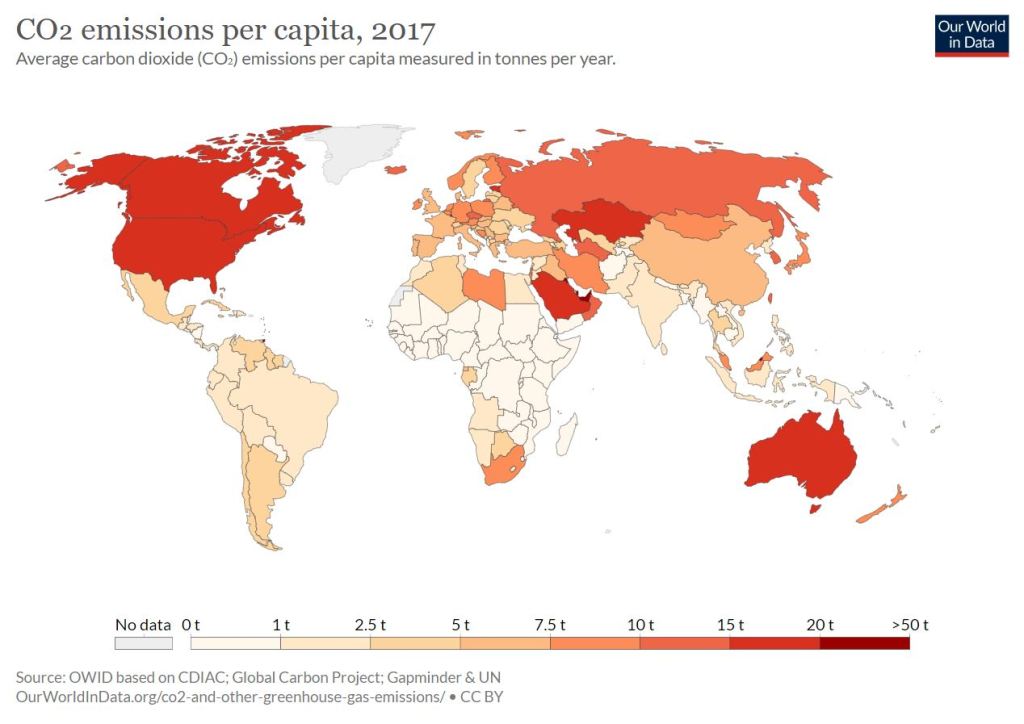
However, an interesting point by Farish Noor about “Beyond Eurocentrism.” His points as to how we need to stop expecting everyone to be “Eurocentric” and realize that people everywhere have different views on how they think life should be. We judge all countries compared to ours and do not think about how other countries function differently than ours, so obviously, there will be some differences with how things are run. Going “Beyond” would be moving past stigma that everyone and everywhere must be Eurocentric so that we can function better on a larger scale to face challenges like climate change.
 South America