POST #8
I found interesting Scott Christiansenb’s lecture when he talked about the role “exponential” technologies will be playing in shaping the future of business and society.As strategic discussions increasingly focus on how business can evolve and capitalize on new innovation, it is important to recognize the enhanced role companies should play in the responsible use of disruptive technologies. Their challenge will be finding ways to design and architect models for driving transformative change and positive social impact—both for philanthropic good and for more commercial purposes. Harnessing exponentials for social impact can help build markets, drive adoption, and light a powerful beacon for attracting and retaining top talent. Beyond that, organizations should consider the ethics and morality of applying exponential technologies—beyond traditional risk concerns of security, privacy, regulatory, compliance, safety, and quality.
Technology is a universal ingredient across exponentials. This puts the CIO and IT in a unique position to help build awareness of the potential social impacts and opportunities of exponential technology initiatives. This can be a natural extension of the CIO’s broader agenda around innovation and risk. But it may also help CIOs define their legacies, promote their personal brands to the CEO and the board, and instill a new sense of purpose in the IT organization.
Peter Motavalli’s lecture was very informative, as well.Global climate change has already had observable effects on the environment. Glaciers have shrunk, ice on rivers and lakes is breaking up earlier, plant and animal ranges have shifted and trees are flowering sooner. Effects that scientists had predicted in the past would result from global climate change are now occurring: loss of sea ice, accelerated sea level rise and longer, more intense heat waves.
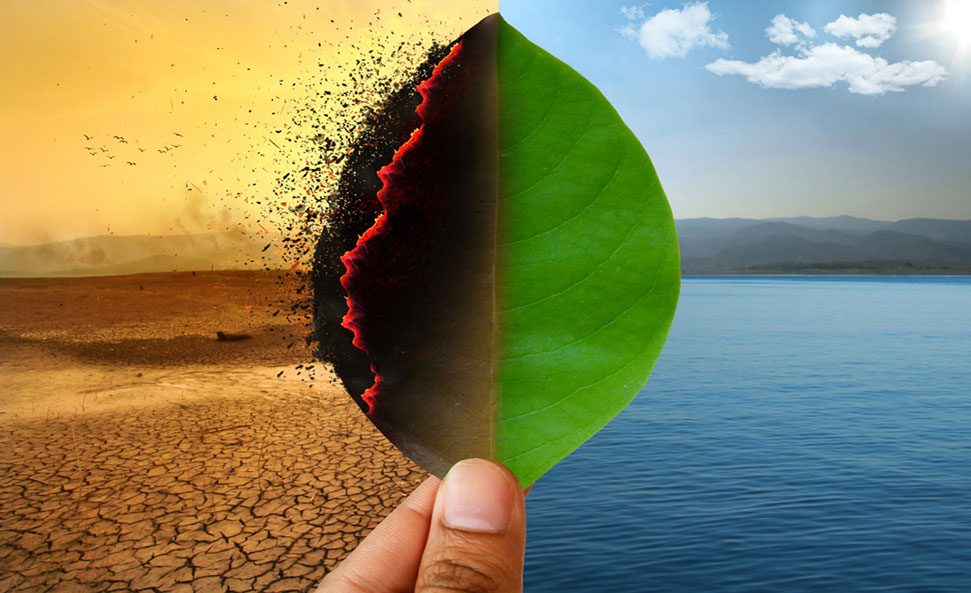
Climate Change is the defining issue of our time and we are at a defining moment. From shifting weather patterns that threaten food production, to rising sea levels that increase the risk of catastrophic flooding, the impacts of climate change are global in scope and unprecedented in scale. Without drastic action today, adapting to these impacts in the future will be more difficult and costly.
Moreover, People experiencing moderate food insecurity face uncertainties about their ability to obtain food and have been forced to reduce, at times during the year, the quality and/or quantity of food they consume due to lack of money or other resources. It thus refers to a lack of consistent access to food, which diminishes dietary quality, disrupts normal eating patterns, and can have negative consequences for nutrition, health and well-being. People facing severe food insecurity, on the other hand, have likely run out of food, experienced hunger and, at the most extreme, gone for days without eating, putting their health and well-being at grave risk.

Doing research about Venezuela, I was able to expand my knowledge about this country. I learned that Venezuela, like many Latin American countries, has a high percentage of urban poverty, a massive foreign debt, and widespread governmental patronage and corruption. Venezuela’s social and political ills have been compounded by natural disasters such as the floods that devastated sections of Caracas, La Guaira, and other coastal areas in late 1999. On the other hand, the republic since 1958 has been more democratic and politically stable than most other Latin American nations, and its economic prospects remain strong, particularly in regard to the petroleum industry.
Venezuela is among the ten countries with the highest biodiversity in the world, both in the terrestrial and the marine environment. Due to its biogeographical position, Venezuelan marine flora and fauna are composed of species from very different marine bioregions such as the Caribbean and the Orinoco Delta. The ecosystems in the Caribbean have received considerable attention but now, due to the tremendous impact of human activities such as tourism, over-exploitation of marine resources, physical alteration, the oil industry, and pollution, these environments are under great risk and their biodiversity highly threatened.
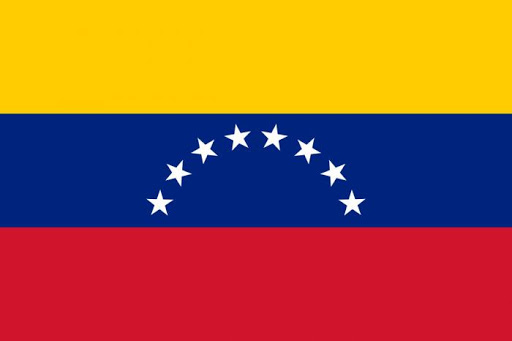
Venezuela has many natural resources that have helped it develop its popularity as a tourist destination in recent years. Its impressive coastline and many beaches are particular draws, helped by its tropical climate. There are also the mountains in the north which extend along the Colombian border and northern Caribbean coast and the vast plains in central Venezuela. The Guiana Highlands in the southeast contain the northern fringes of the Amazon Basin and Angel Falls, the world’s highest waterfall, as well as tepuis, large table-like mountains. Venezuela also has vibrant cities, most notably its capital, Caracas. The city is very diverse, but also divided – the European-influenced area is popular among tourists, but Caracas also has the dubious honor of being one of the most dangerous cities in the world.
References:
http://www.fao.org/state-of-food-security-nutrition
 South America