POST #4
According to Sheila Watt-Cloutier, when it comes to indigenous people, they are very much about the health and well-being of not only their bodies, but also their cultural survival. Climate change is not just an environmental issue with unwelcome economic consequences. It really is a matter of livelihood, food, individual and cultural survival. Also, this is a human issue affecting our children, our families, and certainly our communities.
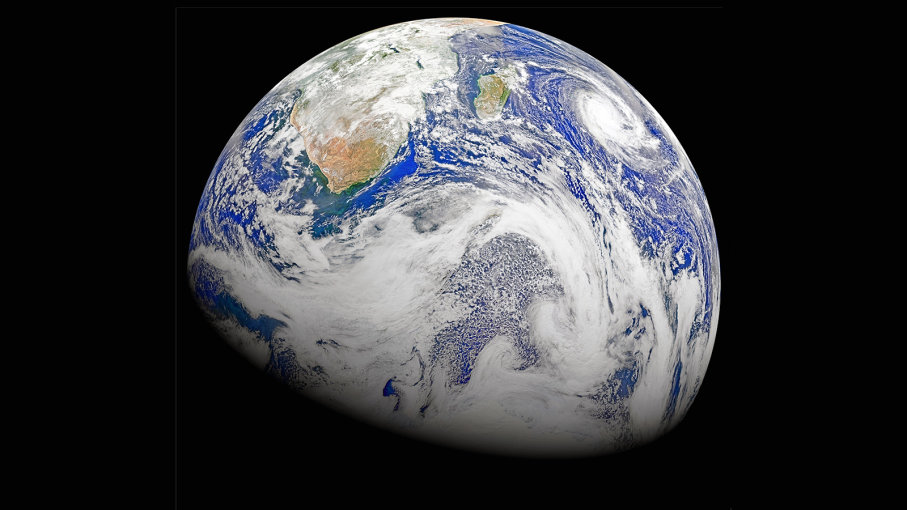
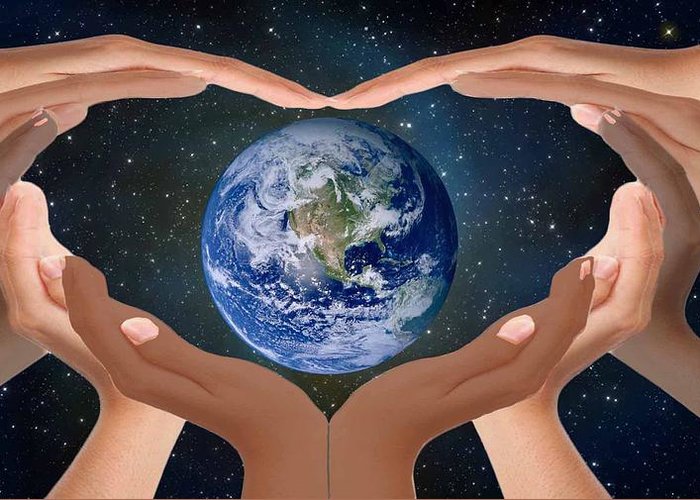
In this case, what moral ground is not asking necessarily for the world to take a complete economic backward step; what it means is that each person must develop his or her economics using appropriate technologies that limit the pollution, that limit the greenhouse gases that are at the root of what is happening nowadays in our world. We must all do this in order to defend our right to culture, our right to lands traditionally used and occupied, our right to health, our right to physical security, our right to our own means of subsistence, and our rights to residence and moving.
We should take action to save our planet. Some of the actions include:
- Energy efficient lightbulbs are a simple way to reduce the amount of power you use. Not only will this help the planet, it will also save your bank balance too. By replacing just one lightbulb, the effect can be tremendous. If every house in the USA did this, it would reduce pollution by the same amount as removing one million cars from the road!
2. If you can’t live without your dishwasher, then at least cut the pre-rinse. With a decent detergent, your dishes will be just as clean and you can save an average of twenty gallons of water per load.
3. You don’t have to give up meat for life, but try to commit to one meat free day a week. It takes 2,500 gallons of water to produce a single pound of beef. And each hamburger that comes from animals on ex-forestry ground is responsible for the destruction of fifty-five square feet of forest.
4 .For your own pocket, and the good of the environment, don’t wash half loads. Wait until there’s enough to do a load and cut your laundry in half. Also, think about the water temperature. If every household in the USA switched from a hot to a warm cycle, it could save the equivalent of 100,000 barrels of oil per day.
5.Bottled water is handy when you’re on the go, but why not buy one bottle and then refill it from the tap or your work’s water cooler. Around 90% of water bottles end up decomposing in landfills rather than being recycled.
World leaders pressured to take action at UN climate change summit in 2019. At this event, climate striker Greta Thunberg, who is widely credited with starting the global youth climate movement of today through her weekly strikes outside of Swedish Parliament since 2018, called out politicians for willful ignorance in the face of scientific reports that warn of the urgency of our climate crisis.
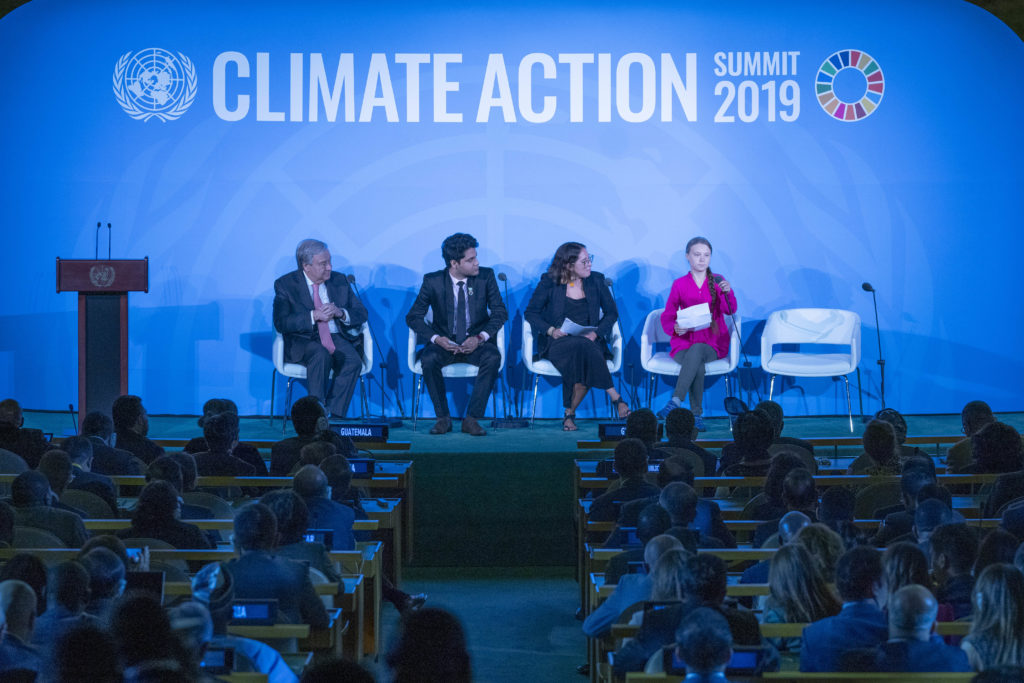
The summit had been billed as the opportunity for world leaders to deliver that change. Heads of state — including New Zealand Prime Minister Jacinda Ardern, German Chancellor Angela Merkel and Marshall Islands Prime Minister Hilde Heine — opened the national commitment portion of the summit with their countries’ plans to increase climate ambition. For instance, representing one of the most climate-vulnerable populations on Earth, Prime Minister Heine announced her country’s new submission to the Paris Agreement, which increases the island nation’s country-wide ambition to the historic 2015 agreement.
Adopted in December 2015 by 195 countries, the Paris Agreement on climate change made history with both its global support and its timeline for execution. The climate agreement entered into force in less than 11 months, an extremely fast turnaround for U.N. agreements, which often take years to enter into force.
To make up the difference, the agreement was adopted with the understanding that nations would increase their national commitments every five years. The first of these collective assessments is this year.
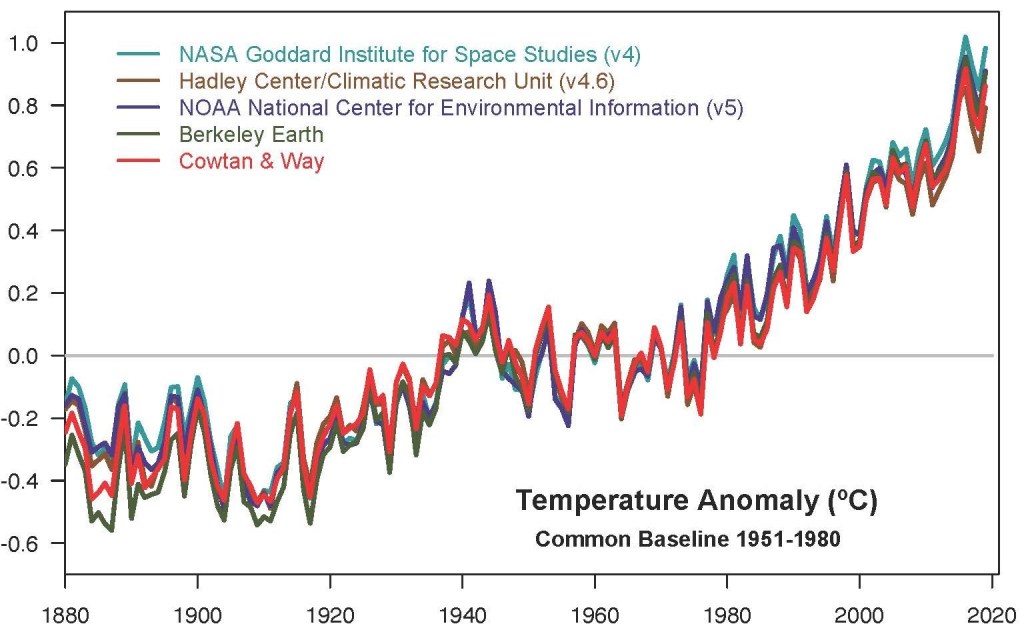
Consensus: multiple studies published in peer-reviewed scientific journals show that 97 percent or more of actively publishing climate scientists agree: Climate-warming trends over the past century are extremely likely due to human activities. In addition, most of the leading scientific organizations worldwide have issued public statements endorsing this position.
Climate change is real. There will always be uncertainty in understanding a system as complex as the world’s climate. However there is now strong evidence that significant global warming is occurring. The evidence comes from direct measurements of rising surface air temperatures and subsurface ocean temperatures and from phenomena such as increases in average global sea levels, retreating glaciers, and changes to many physical and biological systems. It is likely that most of the warming in recent decades can be attributed to human activities.
Venezuela ranks among the top 10 of the world’s most ecologically diverse countries but has suffered great environmental degradation. Current environmental concerns include sewage pollution of Lago de Valencia; oil and urban pollution of Lago de Maracaibo; deforestation; soil degradation; urban and industrial pollution, especially along the Caribbean coast; threat to the rainforest ecosystem from irresponsible mining operations.
Many of the lands that are being aggressively exploited are home to indigenous groups, who are often deprived of their livelihoods and means of survival. Alternative survival strategies often mean participating in illegal mining economies as the national currency rendered nearly worthless by hyperinflation has led to an acceptance of gold as an alternative to cash, or joining the non-state armed groups that run the regions rich in minerals.
As of June 2018, there was no mention of Venezuela on the Greenpeace international website, “Orinoco mining” on the WWF website (apart from an article about sustainable fishing in Colombia) or the Arco Minero.
In relation to what Larsen claims, I would say that I totally agree. We are part of a place inherently forever. We care about the place where we have grew in, and we develop a strong bond to it, no matter if we leave our land. We are related to a place in which all our traditions and history come from. It’s so difficult to ignore where we come from and how we have been raised because that place we have a solid bond to is the one that shapes who we are undoubtedly. We belong to a place and we are proud of it. We will do everything we can to preserve it.
References:
https://oceanservice.noaa.gov/ocean/earthday.html
https://climate.nasa.gov/scientific-consensus/
https://www.ft.com/content/094f028a-de24-11e9-9743-db5a370481bc
 South America