POST#3
According to Zakaria, Nationalism is “The rise and the confidence among other nations, particularly the largest and most successful ones, it’s readily apparent.”( Page 34). He also states that as economic fortunes rise, so does nationalism.
Venezuela is an interesting case due to its emergence as a nation takes place within the remarkable transformation of the late 18th and early 19th centuries that within a generation saw the dissolution of the Spanish imperial system and the emergence of almost two dozen recognized nation-states.
Venezuela, a Spanish colonial outpost with some recent history of economic prosperity in 1810, a newly engaged participation in the Spanish Bourbon economic and political reforms, and a fragile local political and social structure, offers a particularly interesting place to test various theories, mostly based on European models, about the emergence of nationalism. Venezuela created a nation that could deal with this outside world and only later worked to construct a believable and effective notion of Venezuelan nationality for its own internal use in maintaining the largest possible national territory. There’s a book, called “The rise of Nationalism in Venezuela” by Jonathan Eastwood, which would be interesting to read. But, from what I can see, Venezuelans aren’t really happy with their country nowadays, so I don’t think nationalism is really applied to Venezuela right now.
Zakaria says that the rising of nationalism is a problem the world will grapple with decades to come. The spread of nationalism around the globe is the worst development of this century. It could well lead to schisms, wars, more refugee migrations and cataclysms. To be a nationalist is not a good thing; its connotation means far-right, racist white power. For instance, America fought two world wars against nationalism and to preserve democracy. Committed to winning at all costs, with power-seeking and superiority as the only real goal, nationalists feel justified in hurting the people of other countries.
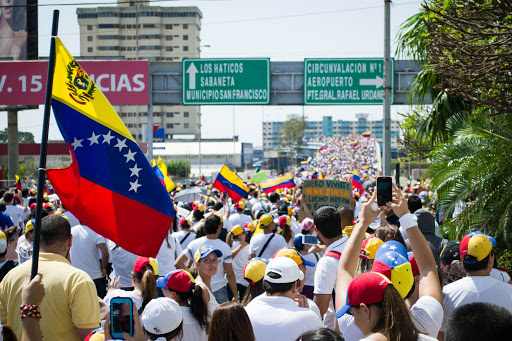
In 2017, Liborio Guarulla, the former governor of Amazonas state who was barred from office for opposing Maduro, enacted ‘Dakubi’ rite to bring suffering and loss. Venezuela’s ’s embattled governmentendured weeks of violent street protests, criticism from its neighbors, and sustained diplomatic pressure.With his face painted and head crowned with bird feathers, Guarulla blew handfuls of dust into the wind at a ceremony in the city of Puerto Ayacucho, while around him, men from various different indigenous groups stamped their feet and rattled maracas.The cursing ceremony marked the final act of the “march of the shamans,” a series of indigenous demonstrations against the government. It came amid near daily and often violent unrest.
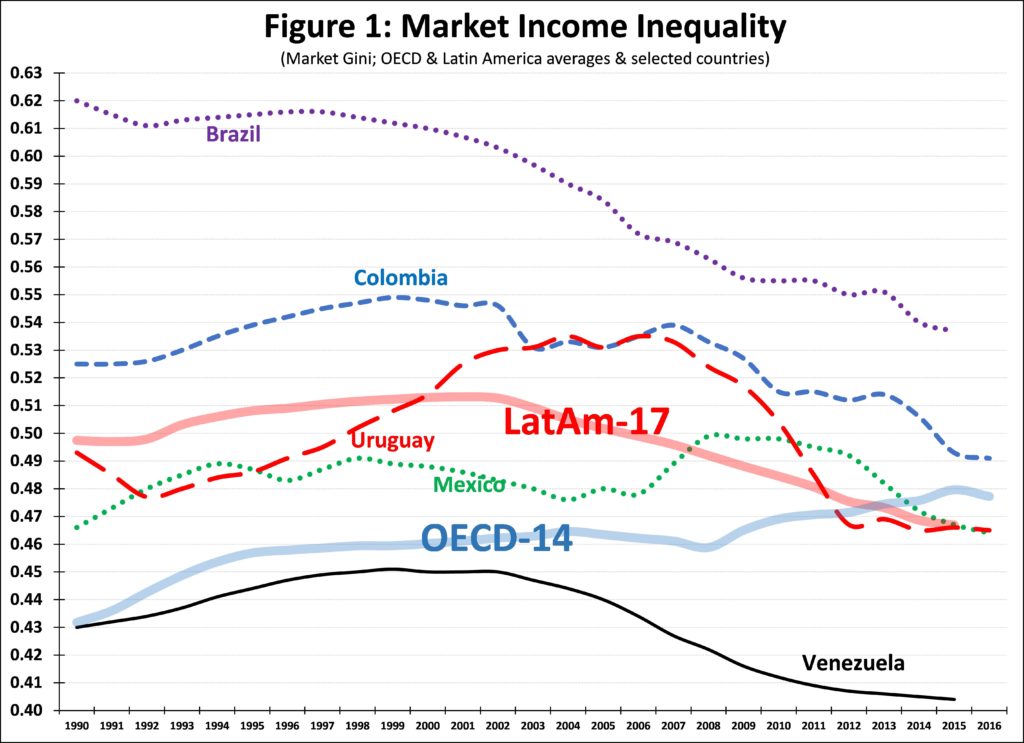
In Venezuela, there are a number of inequality-related issues in this economic crisis scenario. One relates to the relationship between inequality and economic growth and the other is how the crisis has affected inequality. Venezuela’s relatively high inflation increased dramatically in 2016 and spiked into hyperinflation in 2017, which continues into early 2019. Venezuela was a low inequality country, so statistically, inequality was not likely to have been a contributing factor to the current economic contraction. But, economy factors lead to a similar statistical conclusion with respect to Venezuela’s low redistribution. There are other contributing factors to the current economic crisis in Venezuela. As I have written before, Venezuela doesn’t provide enough food, employments, medical care, and so on. So inequality is highly presented in this country. There are so many socioeconomic differences among people which is affecting the whole country.
In general, indigenous groups have protested for their rights. They have protested for the exploitation of their natural resources, their civil rights and indigenous women’s rights. The confrontations between Pemon indigenous people and the military along the Brazilian border, then, should also be understood as an issue of sovereignty over indigenous territories. Indeed, they also stand in sharp contrast to the Venezuelan government’s own rhetoric, which positions the state as a champion of the indigenous cause. Steger states in chapter 1 that “racist practices and the appalling conditions of inequality existed both within societies and between the rest.” (Page 31).
These tensions between groups and nation-state have been exacerbated by the internal contradictions of the Bolivarian Revolution, which seemingly acknowledges indigenous people’s autonomy and rights over their lands, while simultaneously exercising control over the territory they occupy in the name of national sovereignty. And with the economy in freefall, things may only get worse.
References:
https://www.tuscaloosanews.com/news/20170813/port-rail-nationalism-taking-root-in-venezuela
https://www.theguardian.com/world/2017/may/19/venezuela-maduro-shamanic-curse-liborio-guarulla
https://www.nap.edu/read/13089/chapter/11
http://theconversation.com/venezuela-indigenous-people-are-forgotten-victims-of-crisis-115724
Zakaria, Fareed. The Post-American World: Release 2.0 ; Updated and Expanded. W.W. Norton, 2011.
Steger, Manfred B., and Paul James. Globalization: the Career of a Concept. Routledge, 2017.
 South America